Singles vs. Doubles Pickleball
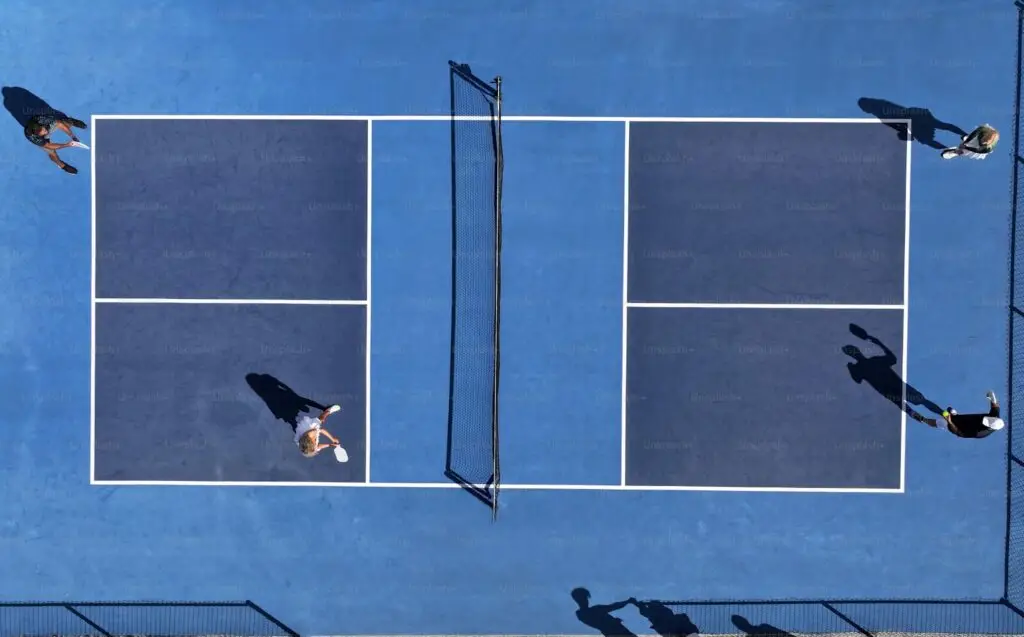
While played on the exact same 20×44-foot court, singles and doubles pickleball are functionally two different sports. They require entirely different shot selections, pacing, and athletic demands. Taking a doubles strategy into a singles match will almost guarantee a loss, and vice versa.
Here is a deep dive into the strategic division between the two formats.
The Singles Game: Power, Speed, and Angles
Singles pickleball is highly athletic. With only one person covering 440 square feet of court, the game revolves around passing shots, baseline power, and physical endurance. The subtle finesse of the Kitchen is largely abandoned in favour of aggressive, fast-paced strikes.
-
The Deep Return is Everything: In singles, if you hit a short return, your opponent will immediately crash the net and put the ball away. Your return of serve must land within a few feet of the baseline to keep your opponent pinned back, giving you time to establish net dominance.
-
Drives Over Drops: The third-shot drop, the holy grail of doubles, is rarely used in singles. Because there is so much open court, the primary weapon is a hard third-shot drive aimed at the corners to physically pass the opponent or force a weak, stretching error.
-
Serve from the Center: In doubles, players serve from the middle of their respective service boxes. In singles, you should stand as close to the centre line as legally possible when serving. This allows you to quickly recover and defend the maximum amount of court on the return.
The Doubles Game: Patience, Geometry, and Partnership
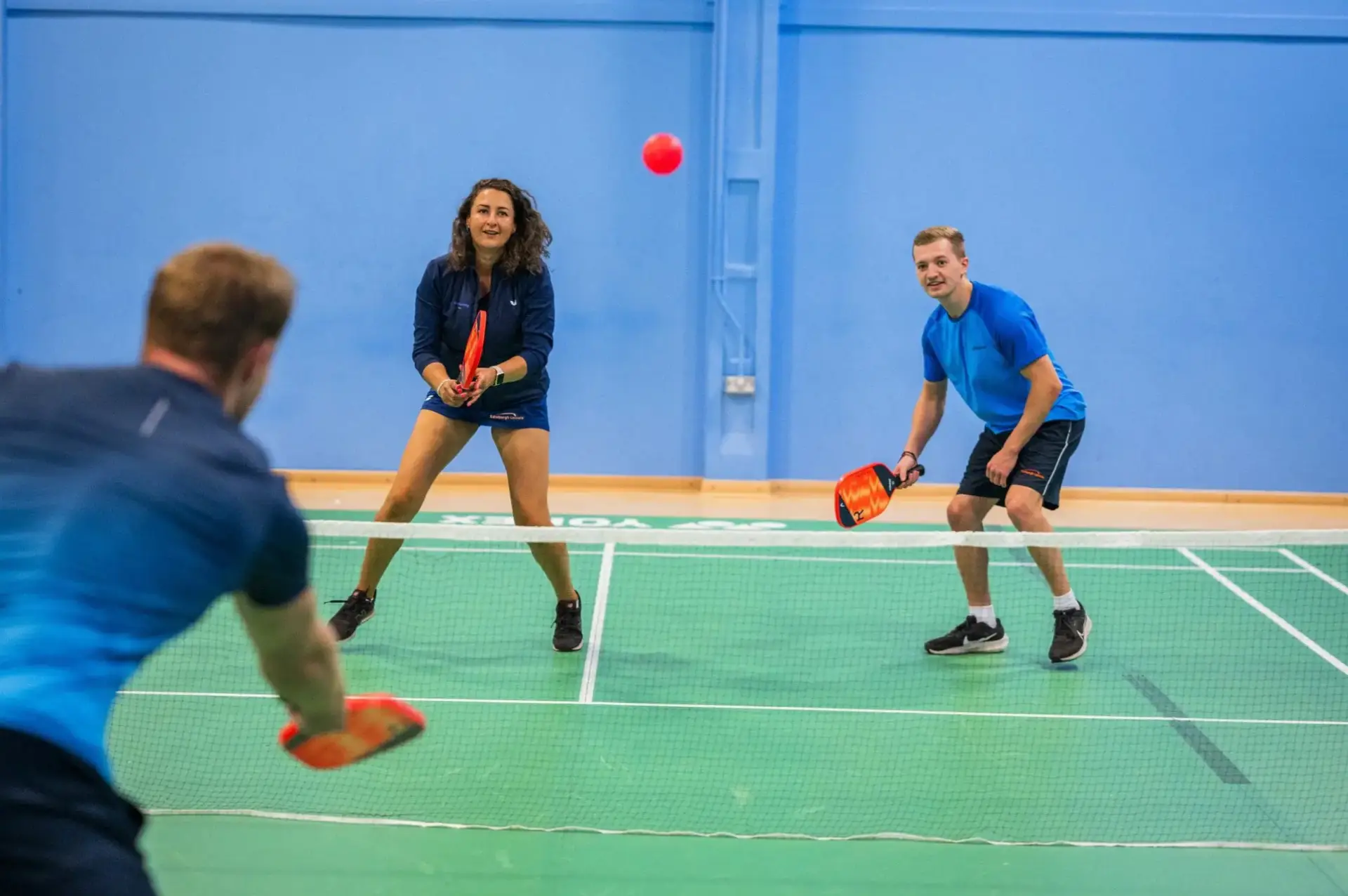
Doubles pickleball is a game of chess. Because two players can easily cover the 20-foot width of the court, sheer power is easily neutralised. Success relies on soft touches, strategic positioning, and waiting for the right moment to strike.
-
The Race to the Kitchen: The team that establishes themselves at the Non-Volley Zone (Kitchen) line first usually wins the rally. In doubles, your sole objective on the first three shots is to safely navigate your way to that line.
-
The Pendulum Concept: You and your partner must move as if tethered together by a 10-foot string. If the ball is hit wide to the left, both players must shift left. If one player shifts and the other stays put, it opens a massive, highly vulnerable gap down the middle of the court.
-
The Dink is Mandatory: Because you cannot overpower two players standing at the net, you must rely on the dink—a soft shot that lands in their Kitchen. The goal of dinking isn’t to hit a winner; it is to keep the ball unattackable until your opponent loses patience and pops the ball up into the air, giving you an easy smash.